 Stairwise
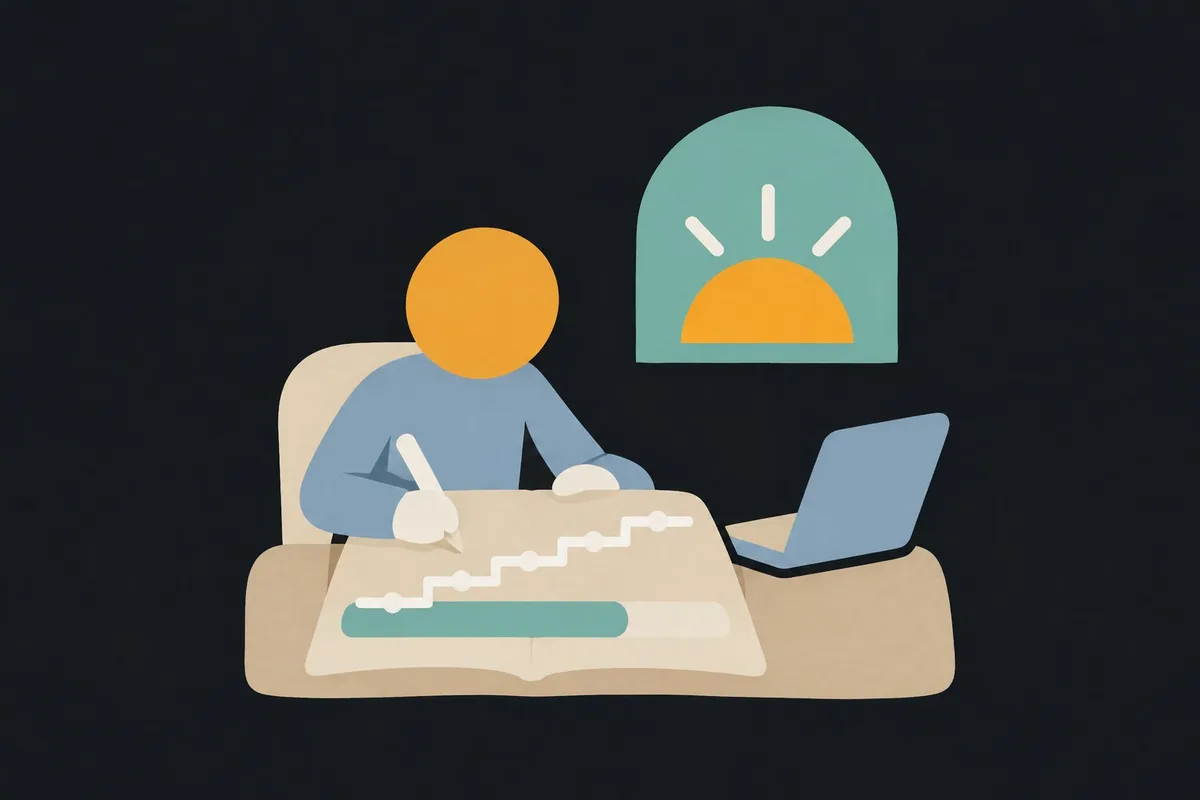
Write down the day’s progress
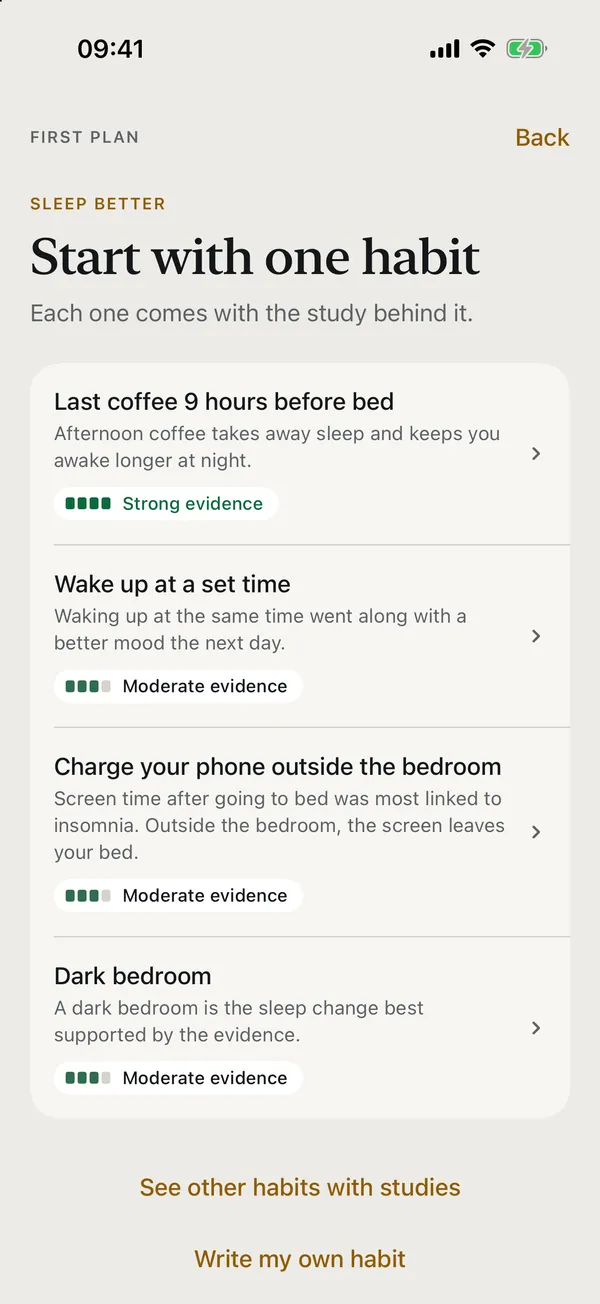
Strong evidenceIn 138 randomized studies with 19,951 people, tracking progress helped people get closer to their goals.
Change your life with science. Skip the hype.
Pick a goal and get one habit at a time, each with the study behind it and an honest rating of the evidence. Free to start. Premium is $19.99 a year.
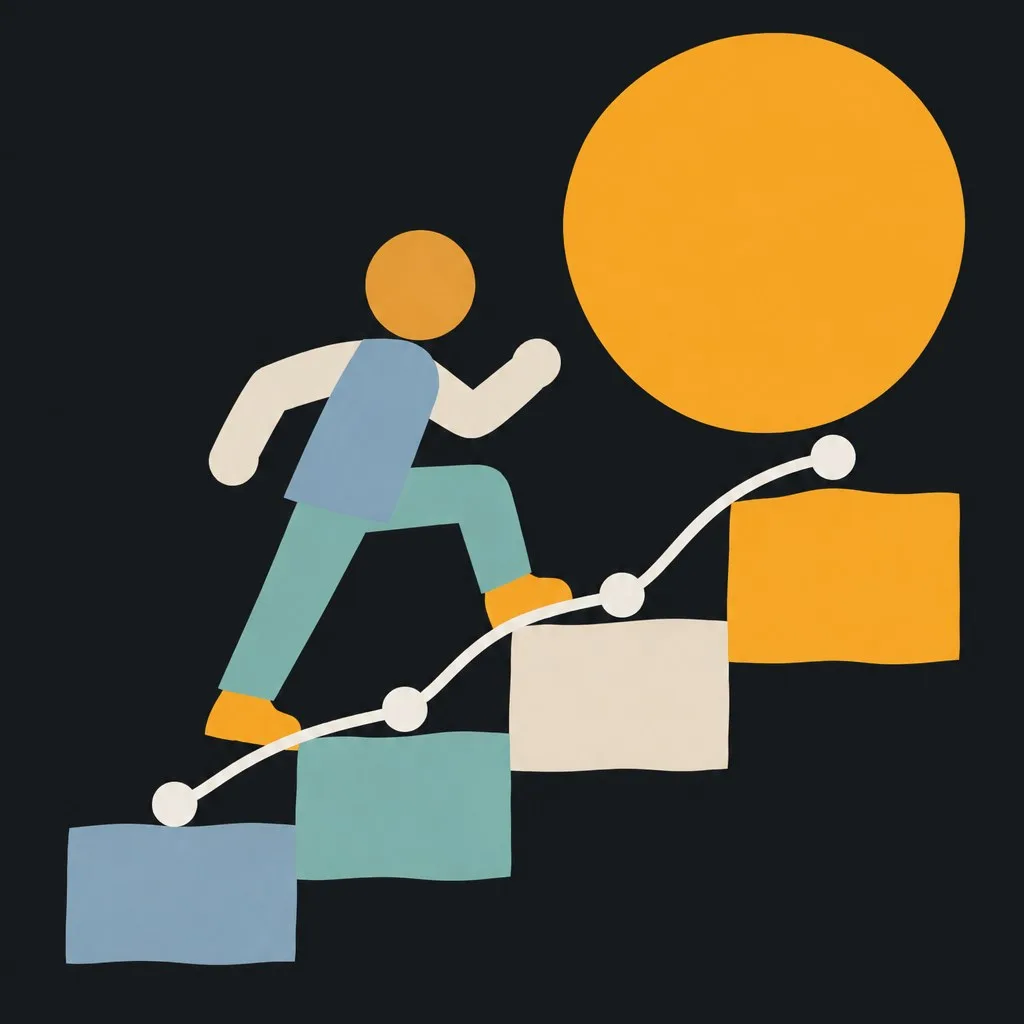
This is what a habit looks like in Stairwise.
In 138 randomized studies with 19,951 people, tracking progress helped people get closer to their goals.
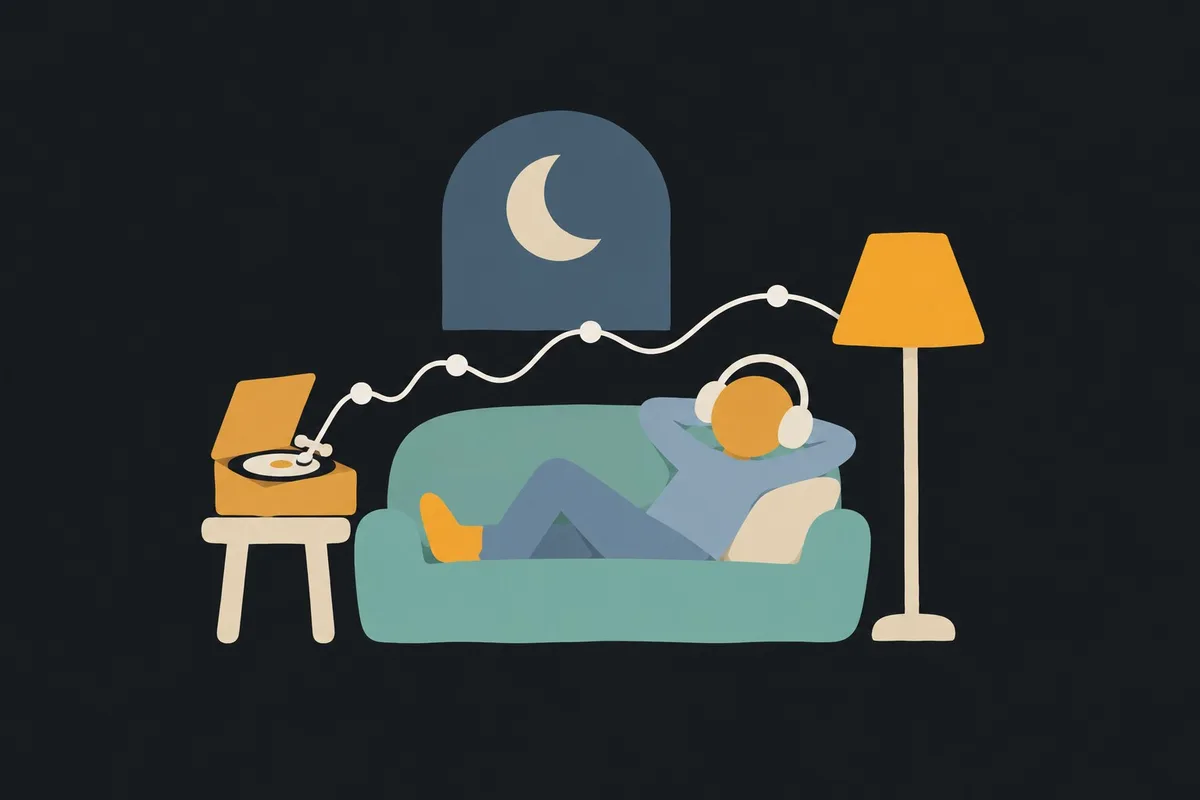
In one trial with 94 students who slept poorly, those who listened to calm music at bedtime said they slept better.
Strong, moderate or weak. When the evidence is weak, we tell you, and you decide.
Eight goals, from sleeping better to doing your best work.
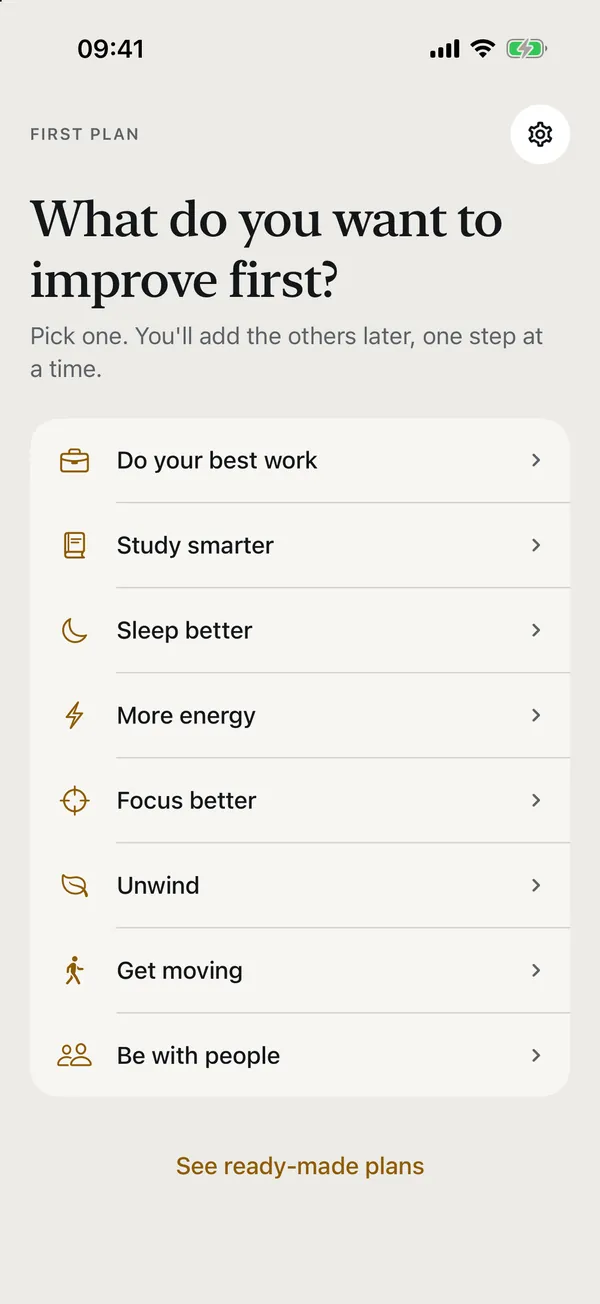
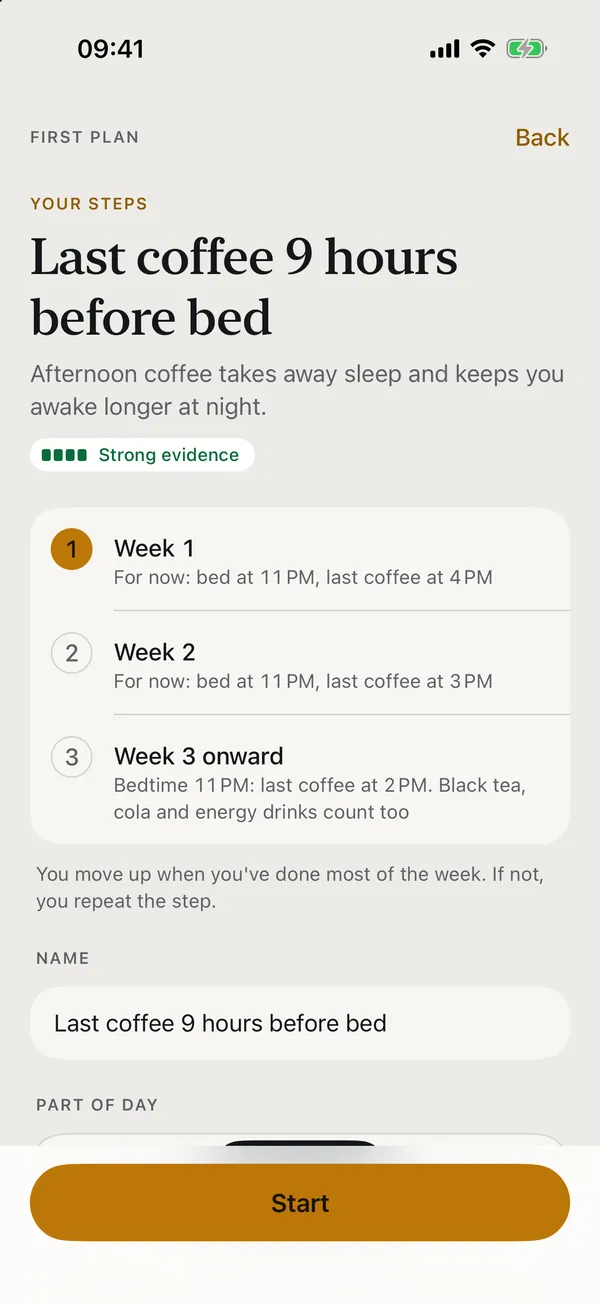
Small and specific, with a part of the day to do it.
When you’ve done most of the week, the app offers the next step.
Science, not hype
Not to judge anyone’s routine. Just what the studies found.
| What you hear | What the studies found |
|---|---|
| What you hear“Successful people sleep 4 hours.” | What the studies found Myth 27 CEOs tracked for 13 weeks slept 6.9 hours a night on average. |
| What you hear“You get used to sleeping less.” | What the studies found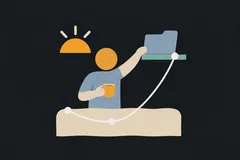 Myth With 4 or 6 hours in bed for two weeks, attention lapses kept adding up, while people felt only a little sleepier. |
| What you hear“Work 70 hours a week to get more done.” | What the studies found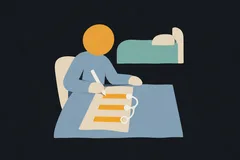 Myth In a classic study of munition workers, output stopped keeping pace with hours past 49 a week, and 70 hours produced little more than 56. Working 55 hours or more is also linked to a higher risk of stroke. Kivimäki et al., The Lancet, 2015Pencavel, The Economic Journal, 2015 |
| What you hear“Wake up at 5 a.m. to win the day.” | What the studies found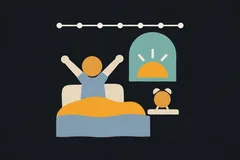 No direct study We found no study of the hour itself. Waking early without going to bed early just cuts sleep. |
| What you hear“Cold showers keep you from getting sick.” | What the studies found Not supported One large trial tested it: fewer days off work, but not fewer days sick. |
| What you hear“Wear the same outfit to save willpower.” | What the studies found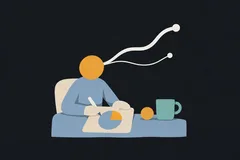 Not supported The “decision fatigue” effect didn’t show up in two large replications. |
| What you hear“Switching off from work at night helps you recover.” | What the studies found Moderate evidence Switching off from work at night is linked to less exhaustion and better sleep. |
Stairwise shows you the evidence behind each habit, and how strong it is.
Price
Free
$0
Not a trial.
Premium7 days free on yearly
$19.99 / year
or $2.99 a month
The whole path:
Prices in US dollars. In other countries, the App Store shows the local price.
We don’t have a date yet. Join the list and we’ll write to you when it’s on the App Store.
Free to start. Premium is $19.99 a year, with 7 days free, or $2.99 a month.
We only use it for the launch email. You confirm it first, you can leave anytime, and the list is deleted after the launch email.
By the kind of study behind each habit:
iPhone with iOS 26.
No. Stairwise doesn’t treat anything. It helps you build everyday habits.
The app is in English and Portuguese.